
The moment someone tells you they have cancer, your brain goes blank and your heart drops.
You want to help, but you freeze. It’s not like there’s a class we all take on how to help someone with cancer.
You’re terrified of saying the wrong thing. You don’t want to intrude, and honestly, you have no idea what they actually need.
Here’s what most people miss: cancer patients don’t need perfect words or grand gestures. They need you to show up in small, steady, and useful ways. Those small acts make treatment a little more bearable.
The friends who really make a difference aren’t the ones who promise everything. They’re the ones who do one specific thing without being asked, and show up time after time.
This guide will show you exactly how to be that person. For more ideas, check out my book, Keep Showing Up: Over 150 Truly Helpful Ways to Help a Friend or Loved One with Cancer. It’s packed with ways to make a real difference, no matter how close you live or how limited your time or money is.

What Cancer Patients Really Need
Most people offer help in ways that sound kind, but create more work.
“Let me know if you need anything” puts the burden back on someone who’s already overwhelmed. They’re not going to text you at 11 PM when they’re too nauseous to stand but need groceries. They’re not going to ask you to clean their bathroom when they can barely get out of bed.
Figuring out what they need and then asking for it takes energy they don’t have.
What works better:
- Specific offers tied to real needs
- Showing up to help without waiting to be asked
- Taking tasks off their plate
- Anticipating needs before they become urgent
Cancer patients juggle doctor visits, treatment side effects, and insurance battles. They manage medication and try to hold onto some sense of normalcy.
All the while, fighting a range of emotions that can change at any given moment.
Your job isn’t to fix the cancer. It’s to provide emotional and practical support that reduces stress so they can focus their limited energy on getting through treatment.
The best support often feels invisible. It removes problems before the person with cancer even notices them.
The First Week After Diagnosis
The days right after a cancer diagnosis are a blur of fear, logistics, and information overload.
Your friend is trying to process devastating news. At the same time, they’re researching treatments, scheduling specialist visits, and answering worried phone calls from family.
They’re flooded with a range of emotions they may not even be able to name.
This is when people need support the most, and ask for it the least. Their brain is in crisis mode, and normal decision-making shuts down.
Here’s what you can do right away:
Set up a meal train before they think to ask. Use a site like Meal Train or Take Them a Meal to organize friends.
Choose delivery times that won’t interrupt their day. Include paper plates and disposable containers so they never have to wash dishes or return anything.
If their treatment schedule isn’t set yet, or if surgery is coming up, gift cards to restaurants or grocery stores can be a better option so they can be used when the family is at home.
Offer to become the information gatekeeper. Become the one point of contact for updates. Create a CaringBridge page or a group text.
This saves your friend from repeating their diagnosis story over and over, which drains them fast. Just knowing someone else will handle the updates can bring real relief.
To make this easier, I created the Cancer Updates Template Pack. It has fill-in-the-blank templates for emails, texts, and social media posts that cover 23 common scenarios. That includes scan results, changes in treatment plans, good news, not-so-good news, and requests for help.
Show up with practical supplies. Look into the Holistic Cancer Toolkit for tracking appointments, medications, side effects, and important documents.
An insulated water bottle, phone charger, cozy socks, and unscented lotion make the start of a great chemo bag.
You can join a group of friends to put together care packages to surprise them. Thoughtful gifts that include their favorite treats can go a long way in making them feel normal.
Skip the flowers; they die and add guilt when your friend is too tired to maintain them. (See this post on other gift ideas to avoid for a cancer patient.)
The first few weeks set the tone for how supported someone will feel throughout treatment. Jump in fast with specific help.
They’ll remember who showed up before they had to ask, and appreciate that you took something off their plate.
Practical Help That Actually Lightens the Load
Cancer treatment turns daily tasks into mountains.
Grocery shopping takes energy they don’t have. Cleaning hurts when they’re recovering from chemo.
Driving to medical appointments becomes exhausting when nausea or weakness makes it unsafe to get behind the wheel. These aren’t small inconveniences; they’re real barriers.
Take over one recurring job completely. Don’t offer to help occasionally; instead, own something weekly. Think about the household chores that need addressing regularly, and pick one.
For instance, mow their lawn every Saturday, or pick up their prescriptions every month. Maybe walk their dog every morning. Consistency matters more than intensity.
Do their grocery shopping using their list. Text them Friday for their list, then shop Saturday. Drop it off with no expectation of a visit. Include easy foods like broth, crackers, ginger tea, and popsicles for nausea days.
Clean their house in targeted ways. Focus on bathrooms and kitchens first. Change the sheets during treatment weeks. Tidy the main living space to reduce mental clutter.
Drive them to and from appointments without making it a thing. Chemotherapy and specialist visits drag on, and waiting rooms feel heavy. Offer to drive, wait, and bring them home. Bring a phone charger and stay quiet unless they want to talk.
Manage the kid chaos if they’re a parent. Pick kids up from school. Host playdates at your house. Pack school lunches Sunday night. Take them to practice.
Parents with cancer often feel deep guilt over what their kids are going through. Easing that load is matters a lot.
People underestimate how fast these tasks pile up. One person handling one thing, consistently, beats ten people offering vague help.
Supporting Them Through Side Effects
Chemotherapy, radiation, and immunotherapy don’t just target cancer cells. They wreck the body in ways that are hard to explain unless you’ve lived through it.
Nausea isn’t just feeling sick. It can mean days of being unable to eat or function. Fatigue isn’t just being a little tired. It’s bone-deep exhaustion where lifting your head feels impossible.
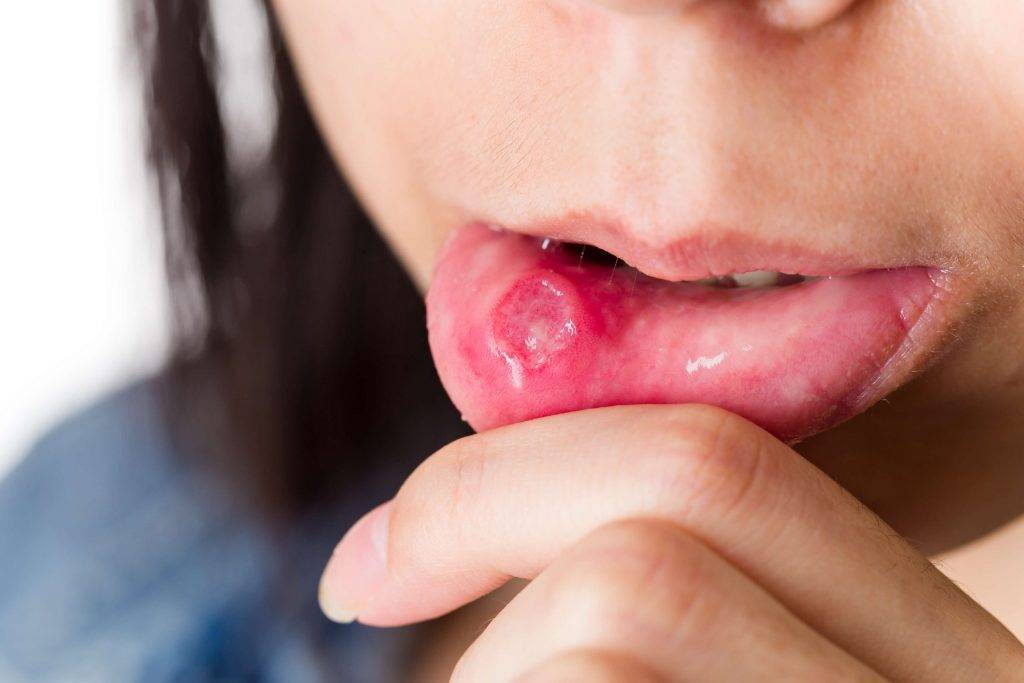
Hair loss isn’t about vanity. It’s a visible sign of illness that strips away privacy. Pain, brain fog, mouth sores, and nerve damage stack on top of everything else.
Learn their treatment schedule and how their body reacts, so you know how to help.
Nausea: Stock the fridge with ginger ale, crackers, applesauce, and plain broth. Skip strong-smelling foods. Bring popsicles and ice chips. Offer to sit with them quietly when they’re too sick to be alone.
Fatigue: Don’t expect them to entertain you. Keep visits short unless they ask you to stay. Handle the tasks that require standing or moving. Let them sleep without guilt.
Hair loss: If they’re open to it, offer to go wig shopping or help pick out scarves and hats. For some, losing their hair is highly traumatic, so let them guide conversations about their hair and any coverings.
Immune suppression: Don’t visit if you’re even slightly sick. Wash your hands. Avoid bringing fresh flowers or plants that carry bacteria. Their immune system can’t fight off germs the way yours can.
Emotional crashes: Treatment messes with mental health. Steroids cause mood swings, and exhaustion leads to depression. Fear never fully goes away.
Be the person who shows up when they fall apart, without trying to fix it. Just witness it and be there to support them.
Encourage them to talk to an oncology social worker or join a support group if they need additional support beyond what you can give.
The worst days are the ones when patients feel most alone. They’re too sick for visitors, and too tired to reach out. Send a text letting them know you’re thinking of them. Drop off supplies without expecting them to answer the door.
Small, steady presence beats a grand gesture that only happens once.
What Friends and Family Get Wrong
Even people with the best intentions make mistakes that add stress rather than reduce it.
Some show up strong at first and vanish once treatment drags on for months. Others offer help that requires the patient to manage them.
Some make the cancer about their own fear. These patterns are common and completely fixable once you see them.
Mistake 1: Treating the diagnosis like a sprint when it’s a marathon. Cancer treatment often lasts six months to a year, or longer. Showing up in week one and fading by month three leaves patients feeling abandoned right when they need help most.
You don’t have to do everything. It’s better to commit to a few small things and stick with them.
Mistake 2: Making the person with cancer manage your emotions. If you break down crying every time you see them, they’ll start avoiding you.
Process your fear with someone else; this isn’t the time to focus on your own feelings. Stay steady when you’re with them. If they open up first, you can be real with your emotions too, but don’t make it about you.
Mistake 3: Overpromising and underdelivering. Don’t offer something unless you’re truly going to follow through. Flaking on a cancer patient who’s counting on you causes real damage.
Mistake 4: Making every conversation about cancer. Sometimes they just want to talk about anything else. Follow their lead. Let them complain about work, gossip about friends, or binge a TV show without dragging conversations back to treatment.
A normal conversation, like the ones you had before their diagnosis, can feel like a gift. They’re still the same person underneath the diagnosis.
Good friends help them feel and remember who they are outside of the role of cancer patient.
Mistake 5: Comparing suffering or offering unsolicited medical advice. Don’t push alternative treatments unless they ask. Don’t share articles about diets that cure cancer.
Unless you’re on their medical team, skip the advice. If they ask you to research something, do it, but encourage them to run it by their healthcare team to make the most informed decision.
Mistake 6: Disappearing because you don’t know what to say. Being ghosted during cancer treatment is, unfortunately, very common. Silence hurts more than awkwardness, and showing up awkwardly is better than not showing up at all.
Friends forgive clumsy words said with good intentions, but they don’t forget being abandoned.
The common thread across all these mistakes is making it about yourself rather than the patient.
Check your motives. If you’re helping to feel useful, to earn praise or calm your own anxiety, then don’t. This isn’t about you; it’s about being a strong support system through their cancer experience.
Long Term Support Beyond Active Treatment
Treatment ending doesn’t mean cancer is over. Survivorship comes with its own challenges most people don’t expect. There’s a fear of recurrence, and side effects that can last for months or years.
There’s also a strange whiplash, going from constant medical monitoring to being sent back into “normal life”. Many survivors feel lonely, since everyone assumes they’re fine now, when they’re still healing.
Keep showing up after treatment ends. The meals stop, the check-ins drop off, and people move on. But your friend still deals with scan anxiety every few months, plus physical recovery, and emotional scars. Keep texting, keep inviting them out, and keep asking how they’re really doing.
Acknowledge the fear that comes with survivorship. Every little ache can feel like the cancer returning. Scan days are terrifying, so let them talk about it without brushing off their fear.
Waiting for scan results can seem like an eternity, so be there to provide a welcome distraction, like a movie or a walk to help pass the time.
Celebrate milestones without forcing gratitude. The end of treatment, a clear scan, or celebrating one year cancer-free all matter and should be celebrated. But don’t expect pure joy.
Survival is complicated, and they may feel a range of different emotions about hitting these milestones, including survivor’s guilt if some of their friends died.
Respect that they might be different now. Cancer changes people because priorities shift, and relationships end. Let them grow into who they are now, instead of pushing them back toward who they used to be.
Being there for the long haul is where most people fail. Don’t be most people.
The most powerful thing you can do for someone with cancer isn’t one grand gesture.
It’s showing up again and again in small, practical ways that ease their load.
It’s listening without trying to fix things, and it’s handling tasks without being asked. It’s staying present long after everyone else has moved on.
Cancer is isolating, terrifying, and brutal. Your steady presence won’t cure it, but it will make the hardest days survivable.
Years from now, that’s what they’ll remember: not necessarily what you said, but that you stayed.
For even more ways to help, check out my book, Keep Showing Up: Over 150 Truly Helpful Ways to Help a Friend or Loved One with Cancer. From practical assistance to emotional support and more, you’ll never run out of ideas to make a big difference in how your friend feels.